Workshop notes

Primemeridianstore: Halogen To LED: What Actually Changes On The Road

Primemeridianstore writes these notes from the bench, not from a press release. Most of what ends up here comes from a job that went sideways at least once: a projector lens that would not sit square in a Territory housing, a wiring loom that kept tripping a CAN bus error, or a customer who drove away with the wrong kelvin rating and came back a week later. We keep the details because they save somebody else an afternoon. If a step looks fussy, there is a reason for it, and the reason is usually found on the road, not in the manual.

Bench team 6 min read
Halogen To LED: What Actually Changes On The Road
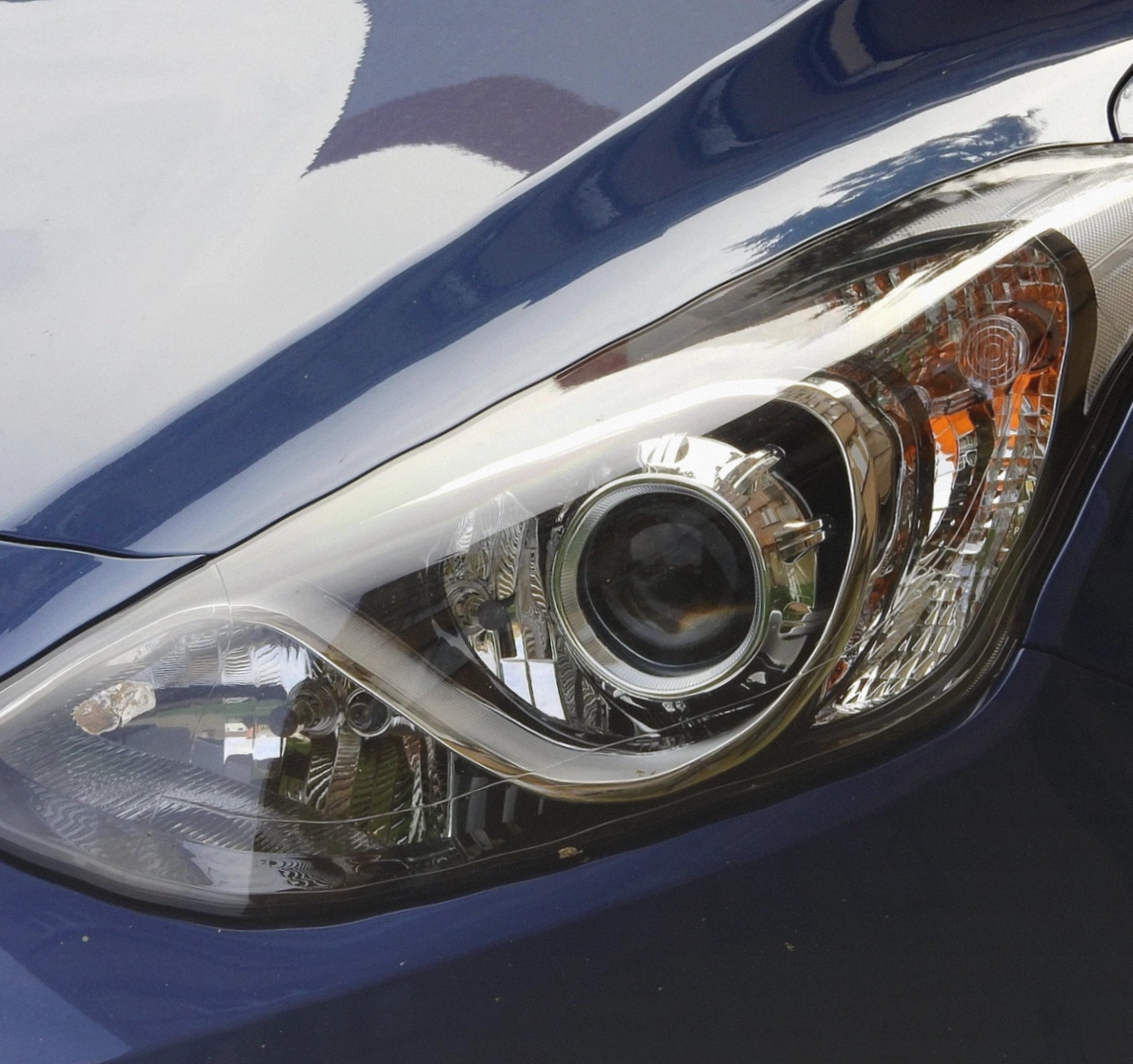
Bench test before the housing goes back into the car.
Most people who buy a set of LED bulbs expect the road to look like a showroom advert the moment they click them in. Sometimes it works. Often it doesn't, because the reflector housing in your car was designed around a filament sitting at one exact point, throwing light in one exact pattern, and a drop-in LED chip sits somewhere slightly different. You get more light, sure, but it goes to the wrong place. The bright patch moves up into the trees and the road immediately in front of the bumper gets darker than it was with the old halogen. That is the part that surprises people. A cheap LED bulb can genuinely be worse to drive behind than the halogen it replaced, even though it looks brighter when you stand in front of the car. The cutoff goes soft, the left side starts washing into oncoming lanes, and on a wet coastal road the cool white light gets swallowed by spray where a warmer halogen would have punched through it. A projector retrofit fixes the geometry rather than just the bulb. The projector has its own lens and shield, so the beam is shaped by the optics instead of by a reflector cup that was never designed for a chip. That's why the cutoff comes out flat and sharp, and why the light stays on the road where you need it. Colour temperature is a separate choice and worth thinking about, because 5500 K looks modern in a car park but 4300 K is easier on your eyes on a long unlit stretch. One thing that doesn't get mentioned enough: current draw matters. A halogen globe pulls around 55 watts per side and gets hot enough to soften the plastic around it over years. A decent LED module draws a fraction of that and runs cooler, which is good for the housing and easy on the factory loom. If your car has a CAN-bus system, you need a harness with a proper filter or the dash will throw a bulb-out warning. None of this is complicated, but it does need doing properly rather than hoping the cheapest kit on the market will behave.
Still stuck on a fit

Send us a photo of the housing

Most of the guesswork disappears once we see the reflector and the plug. Attach a shot of the back of the lamp and tell us the model year, and we will point you at the right lens or adapter.