Headlight Lens Restoration & Beam Calibration
Yellowed polycarbonate scatters light long before the bulb gives up. We wet-sand, polish and re-coat the lens, then run a full optical calibration so the beam lands in the right place again. Booked per pair, most jobs take about three hours.
What we actually fix when a lens goes cloudy
It's not just a cosmetic problem. A hazed lens cuts output by up to 40 percent and spreads the beam sideways, so oncoming traffic catches glare while the road ahead stays dim. Restoration plus a proper aim reset brings the light back into the pattern it was designed for.
Sanding back to clear
Three grit grades, then a machine polish, takes the oxidation off without thinning the lens enough to compromise its impact rating.
A new top coat
We spray a UV-stable clear over the finished lens so it holds up two summers longer than bare polished plastic would.
Beam re-set afterwards
Once the lens is clear, the beam pattern changes slightly. We put the car on our wall and dial the aim back to where it should sit.
Why a polish alone doesn't fix a cloudy headlight
Plenty of fast-fit chains will run a buffing pad over the lens and call it done. That looks fine in the car park. Within six months, without a proper clear coat, the bare polycarbonate oxidises faster than the original surface ever did. Our process layers a UV-cured top coat followed by a two-week cure before you take the car, and we dry the housing breathers so the first hot day doesn't push condensation in behind the new coat.
- Wet-sanded through 800, 1500 and 2500 grit by hand
- Two-part UV clear sprayed in a booth, not wiped on
- Housing breathers checked and re-sealed
- Fourteen-day cure window before wax or washing
What years of wet-sanding teaches you
Not every cloudy lens is fixable. Deep cracks, heat-shrunk housings and lenses that have already been sanded down by a previous owner all behave differently under the pad. After enough of them, you learn to walk away from the ones where a re-coat will just flake off in twelve months, and to push harder on the ones where a careful restoration will outlast the car.
Judge before we sand
A light-table inspection tells us the depth of the haze and whether the lens has enough thickness left to survive another pass.
Cure, not shortcut
We don't hand back a car the same afternoon as the spray. The booth cure plus the two-week hold is what actually sets the clear.
Aim always checked
Every restoration finishes with a beam reading on the wall. The lens should be clear and the pattern should land exactly where the factory spec puts it.
Per-pair pricing, no surprise add-ons
Every price below includes both lenses, the clear coat, the aim check and the workshop time. If a lens is beyond saving, we'll tell you before we start and refund the deposit.
Lens refresh
Light hazing and yellowing on lenses that still have a sound clear coat underneath.
- Hand sand and machine polish
- Single-stage sealant wipe
- Beam height checked
- Same-day turnaround
- Six-month clarity guarantee
Full restoration
The job most people need. Deep oxidation, peeling factory clear, and a genuine two-part UV top coat.
- Three-stage wet sand to 2500 grit
- Two-part UV clear sprayed in booth
- Housing breathers cleaned and re-sealed
- Full beam calibration on the wall
- Eighteen-month clarity guarantee
Restore and upgrade
For lenses that also need new low-beam output. Restoration plus a bulb or halogen-to-LED swap with a fresh loom adapter.
- Everything in full restoration
- New bulb or LED retrofit module
- Loom adapter for the chassis
- Optical pattern verified at the wall
- Eighteen-month clarity and module guarantee
From cloudy to clear in a single workshop slot
Bring the car in by 8 am and you'll usually have it back before close. Here's the sequence behind the bench.
Lens assessment
We photograph the haze under a light table, measure remaining lens thickness and note any cracks that would make restoration a waste.
Masking and prep
Trim rubber, chrome bezels and the bonnet edge all get taped off so the sanding and spray stay inside the lens area.
Wet sanding
Hand sanded through 800, 1500 and 2500 grit in a wet bay, buffed clean between stages until the haze disappears.
Polish
A dual-action polisher with a soft foam pad brings back the optical clarity without leaving swirls that show up in headlight reflections.
UV clear coat
Two-part UV-stable clear is sprayed in the booth, then left in a warm cure bay so the coat cross-links properly.
Beam calibration
Back on the car, we take a wall reading, tweak the aim if the new coat changed the pattern, and log the numbers for your file.
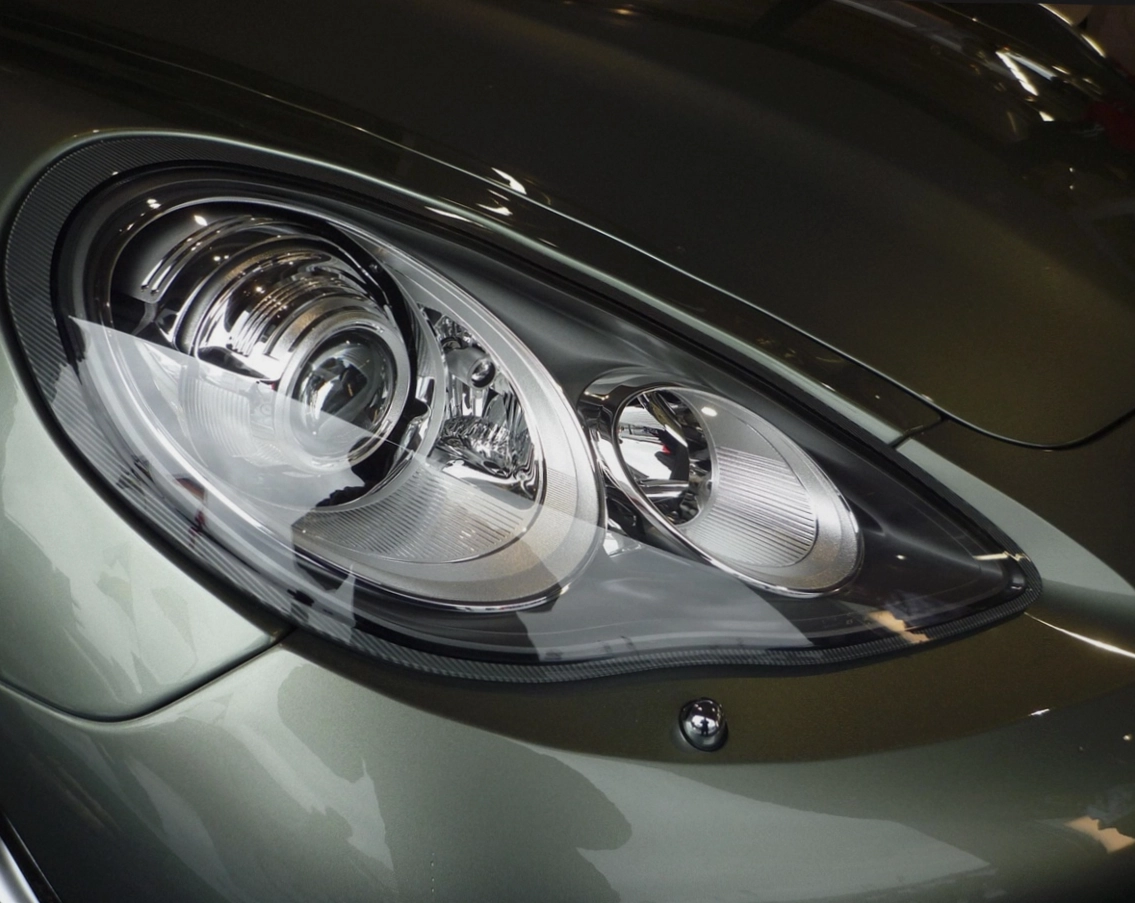
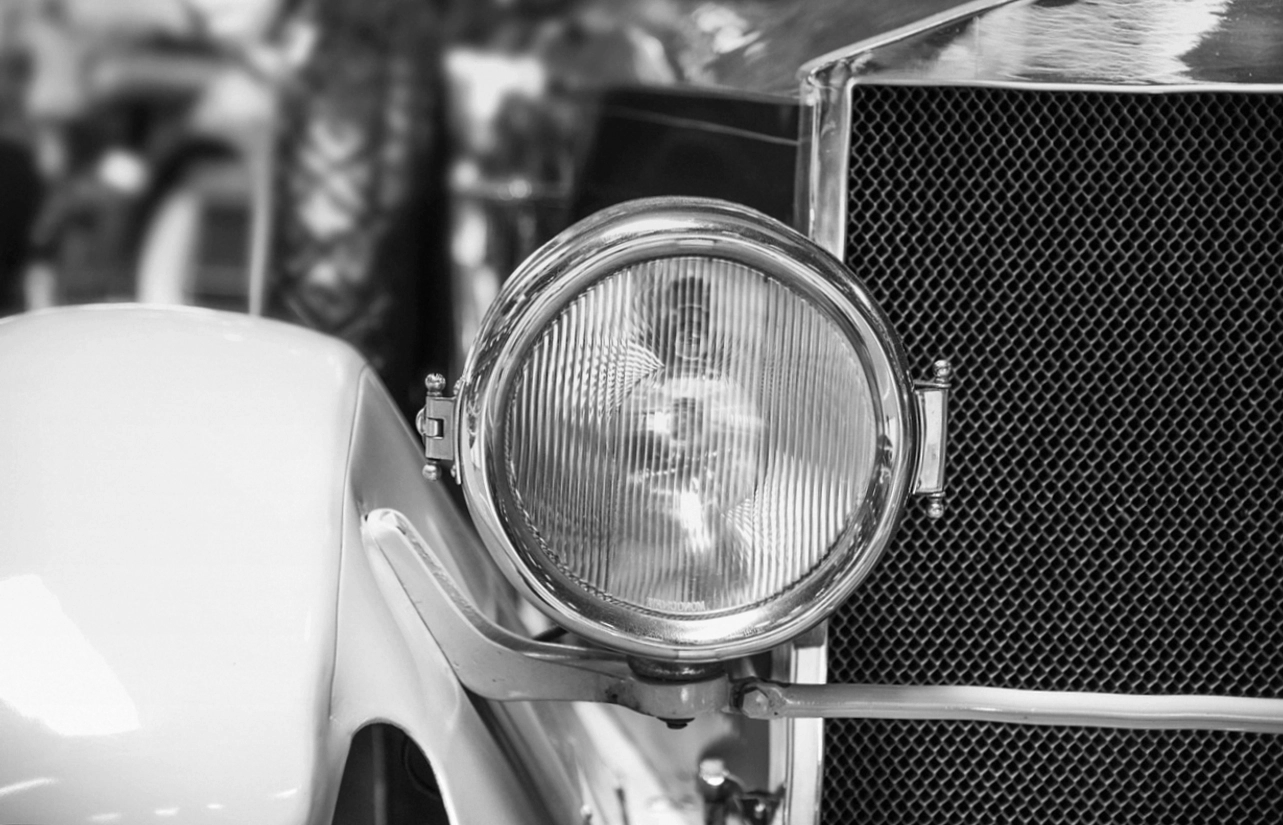
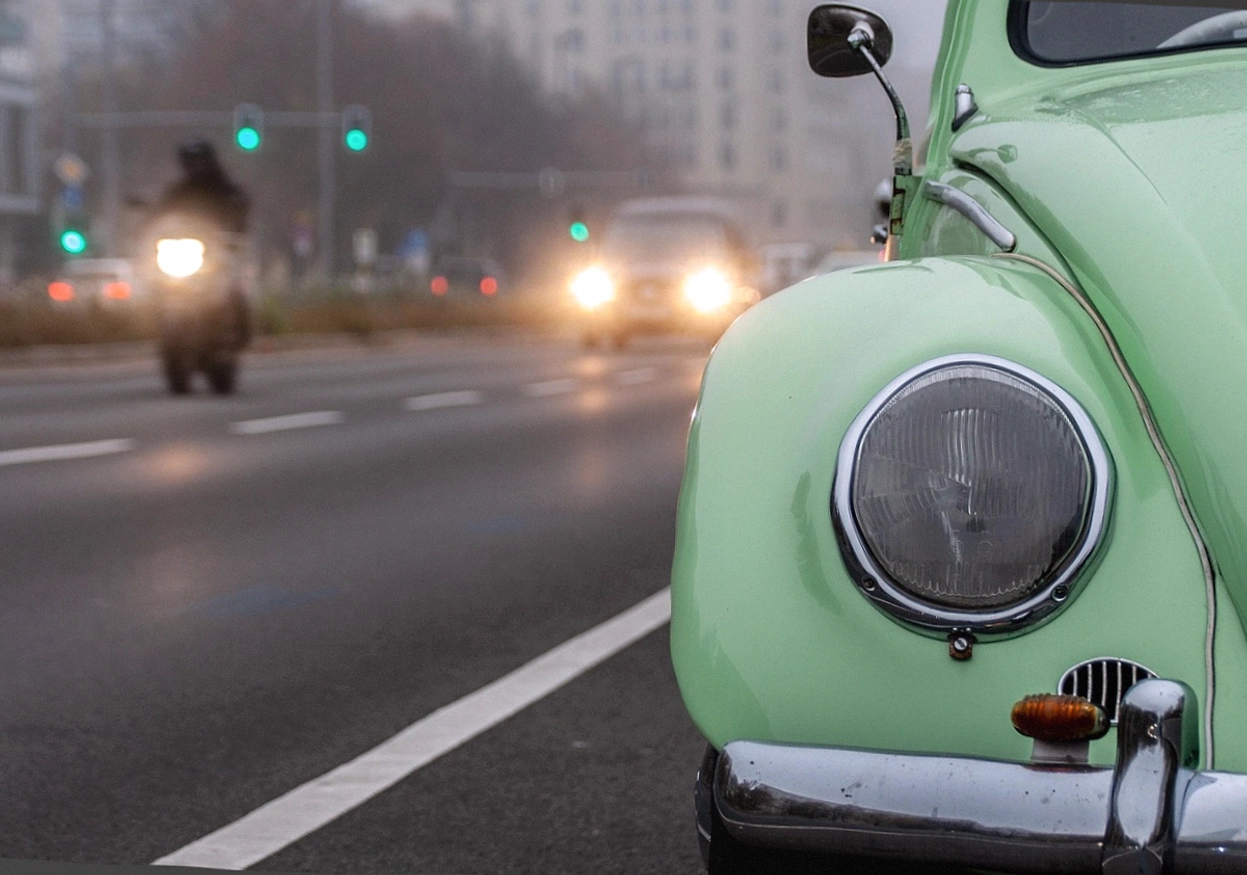
Lenses we brought back this season
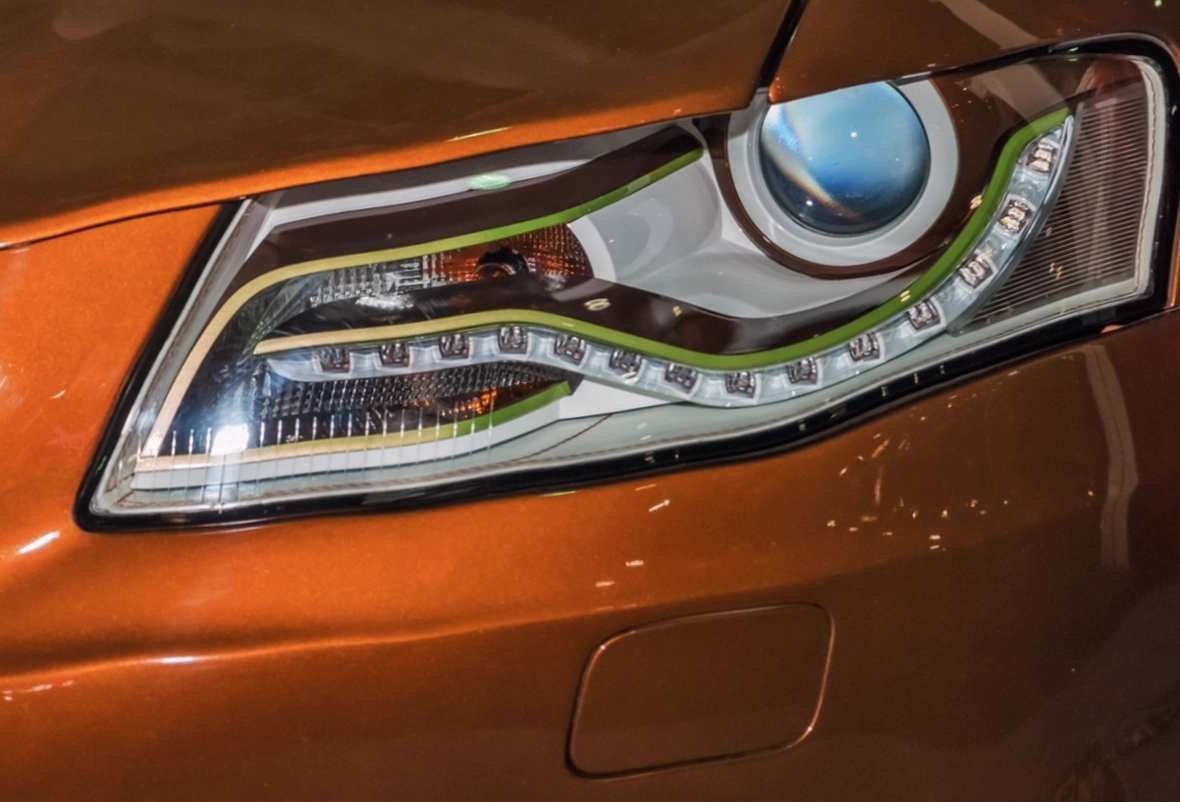
Photos taken on pickup day, not weeks before. If the lens looks clear in the shot, it looked that way on the road.
Questions before we book the lens in
How long does the restoration actually last?
With the two-part clear we spray, eighteen months is comfortable, and most lenses hold clarity past two years if you avoid harsh car wash chemicals on them.
Will polishing thin the lens out too much?
We measure thickness first. If a lens has already been sanded down by a previous owner, we tell you and switch to a gentler two-stage polish instead of the full strip-back.
Can you do the work on site or mobile?
The spray booth and beam wall are both in the workshop, so the car needs to come to Newcastle. We don't do mobile restoration.
What about cracked or heat-shrunk lenses?
A crack is a structural issue, and a re-coat won't fix it. In that case we recommend replacement and can supply the housing instead.
Do you add the beam calibration separately?
No, it's part of every tier. The restoration changes how the light passes through the lens, so the aim needs checking on every job we hand back.
Book the car in for a lens quote
Send us a photo or two, the model and year, and we'll tell you straight whether it's a restoration or a replacement.
- Photo-based assessment before you drive out
- No deposit if the lens can't be saved
- Eighteen-month clarity guarantee on the full job